The new standard in satellite navigation
Upgrade virtually any existing GPS device with the next era of space infrastructure, unlocking centimeter-level certainty with a software update.

The new standard in satellite navigation
Upgrade virtually any existing GPS device with the next era of space infrastructure, unlocking centimeter-level certainty with a software update.

Meet Pulsar
Location services that enable next-era navigational intelligence
Location services that enable next-era navigational intelligence
Xona Pulsar
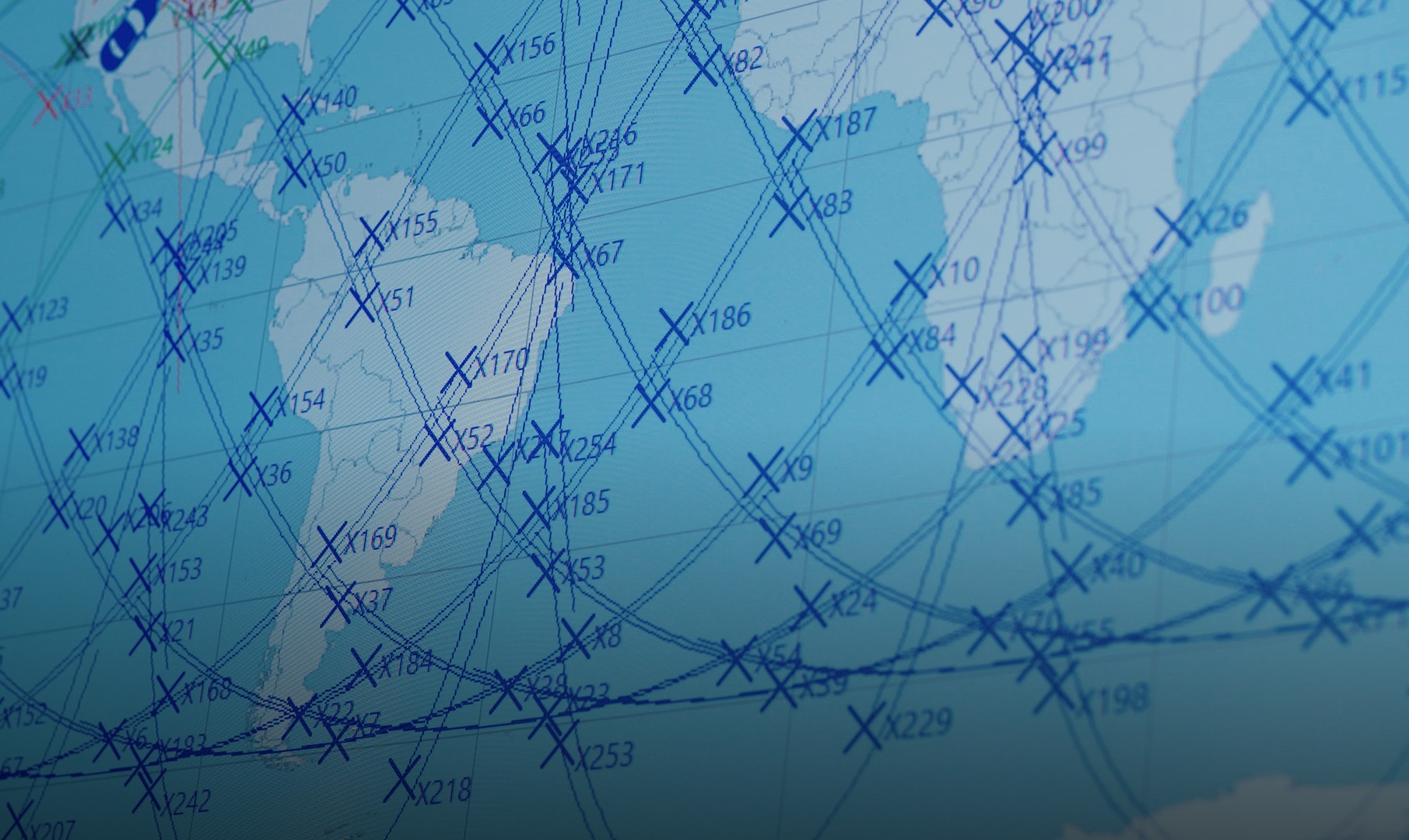
258x small sats
1,080 km
Our world demands
more than GPS.
Our world demands
more than GPS.
Pulsar is Earth's most advanced positioning, navigation, and timing infrastructure in Low Earth Orbit broadcasting an entirely new signal that works everywhere you do today.
Stronger signal strength
Native user accuracy
Time to authentication
One service.
Millions of reasons.
Pulsar is the robust, high-integrity positioning, navigation, and timing service that elevates protection and performance across every use case, powering the systems the world can’t afford to fail.
 Defense — Secure freedom of navigation.
 Agriculture — Grow more with less.
 Telecom — Keep networks synchronized.
 Transportation & Logistics — Deliver with certainty.
 Infrastructure & Energy — Power grids with less blackouts.
 Maritime — Sail through interference.Defense — Secure freedom of navigation.Agriculture — Grow more with less.Telecom — Keep networks synchronized.Transportation & Logistics — Deliver with certainty.Infrastructure & Energy — Power grids with less blackouts.Maritime — Sail through interference.
 Construction & Surveying — Build faster with efficiency.
 Aviation — Fly with stability through interference.
 Financial Systems — Protect financial market integrity.
 Fleets — Track fleets with absolute accuracy.
 Mining & Exploration — Mine reliably off-grid.
 Autonomous Robotics — Drive autonomously anywhere.Construction & Surveying — Build faster with efficiency.Aviation — Fly with stability through interference.Financial Systems — Protect financial market integrity.Fleets — Track fleets with absolute accuracy.Mining & Exploration — Mine reliably off-grid.Autonomous Robotics — Drive autonomously anywhere.
One service.
Millions of reasons.
Pulsar is the robust, high-integrity positioning, navigation, and timing service that elevates protection and performance across every use case, powering the systems the world can’t afford to fail.
Defense — Secure freedom of navigation.Agriculture — Grow more with less.Telecom — Keep networks synchronized.Transportation & Logistics — Deliver with certainty.Infrastructure & Energy — Power grids with less blackouts.Maritime — Sail through interference.Construction & Surveying — Build faster with efficiency.Aviation — Fly with stability through interference.Financial Systems — Protect financial market integrity.Fleets — Track fleets with absolute accuracy.Mining & Exploration — Mine reliably off-grid.Autonomous Robotics — Drive autonomously anywhere.Ecosystem
Join the

community
bringing Pulsar to life
Join the community
bringing pulsar to life
Explore Pulsar Verified receivers, simulators, and test platforms ready to integrate today or benefit from Xona expertise to make integration in your hardware easier than ever.
Explore Pulsar Verified receivers, simulators, and test platforms ready to integrate today or benefit from Xona expertise to make integration in your hardware easier than ever.












Technology
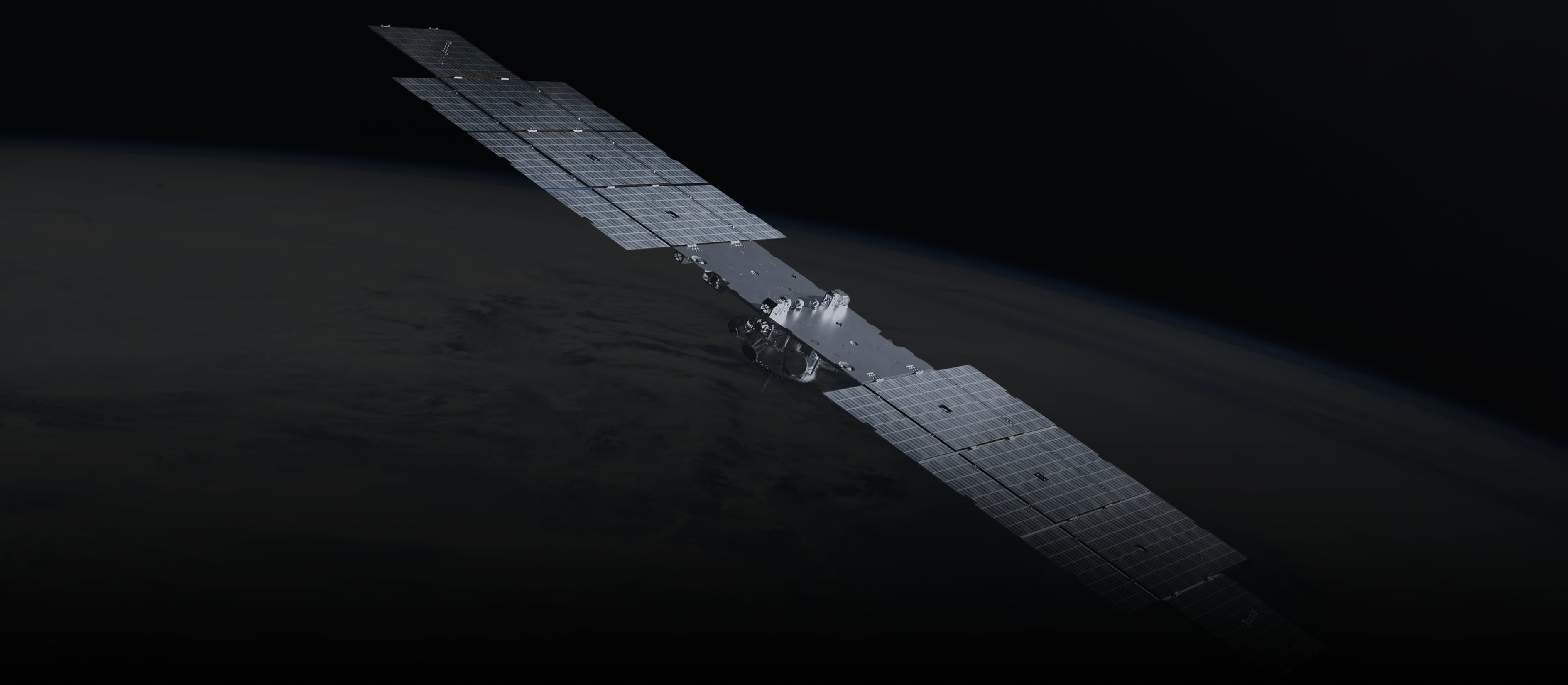
High-efficiency satellites,
purpose-built for navigation.
Built from the first commercially funded navigation satellite ever launched, next-gen spacecraft deliver ultimate PNT performance and global availability for a fraction of the cost of legacy systems.
Built from the first commercially funded navigation satellite ever launched, next-gen spacecraft deliver ultimate PNT performance and global availability for a fraction of the cost of legacy systems.



Join our team
Building Earth’s most advanced navigation system takes the smartest people on Earth. With our trajectory defined, there’s no better time to join Xona.
Join our team
Building Earth’s most advanced navigation system takes the smartest people on Earth. With our trajectory defined, there’s no better time to join Xona.
Press
In the news
But the flaws of GPS are becoming impossible to ignore. Because its signals are fairly weak, new technologies are increasingly able to jam them
Monica Hunter-Hart
New navigation satellites in low-Earth orbit could provide 100 times stronger signal strength compared to GPS ... enabling greater location accuracy within dense cities, under thick foliage, and even inside buildings.

Jeremy Hsu
The other technical challenge the company solved was making sure its signals could be received by existing GPS receivers with a relatively simple software modification.

Tim Fernholz
The U.S. military is particularly interested in testing Pulsar’s capabilities for uncrewed aircraft operations and autonomous vehicles, areas where precise navigation is crucial.

Sandra Erwin
The modern world would crumble without solid location-and-timing data. Xona's planned low-Earth orbit constellation is expected to augment existing GPS until it becomes a standalone source of information.

Colin Demarest
Press
In the news
But the flaws of GPS are becoming impossible to ignore. Because its signals are fairly weak, new technologies are increasingly able to jam them
Monica Hunter-Hart
New navigation satellites in low-Earth orbit could provide 100 times stronger signal strength compared to GPS ... enabling greater location accuracy within dense cities, under thick foliage, and even inside buildings.
Jeremy Hsu
The other technical challenge the company solved was making sure its signals could be received by existing GPS receivers with a relatively simple software modification.
Tim Fernholz
The U.S. military is particularly interested in testing Pulsar’s capabilities for uncrewed aircraft operations and autonomous vehicles, areas where precise navigation is crucial.
Sandra Erwin
The modern world would crumble without solid location-and-timing data. Xona's planned low-Earth orbit constellation is expected to augment existing GPS until it becomes a standalone source of information.
Colin Demarest
Positioning the
world for progress
Positioning the
world for progress
Positioning the
world for progress